General wellness information — not medical advice. These statements have not been evaluated by the FDA and are not intended to diagnose, treat, cure, or prevent any disease. Talk with your physician before starting any new therapy.
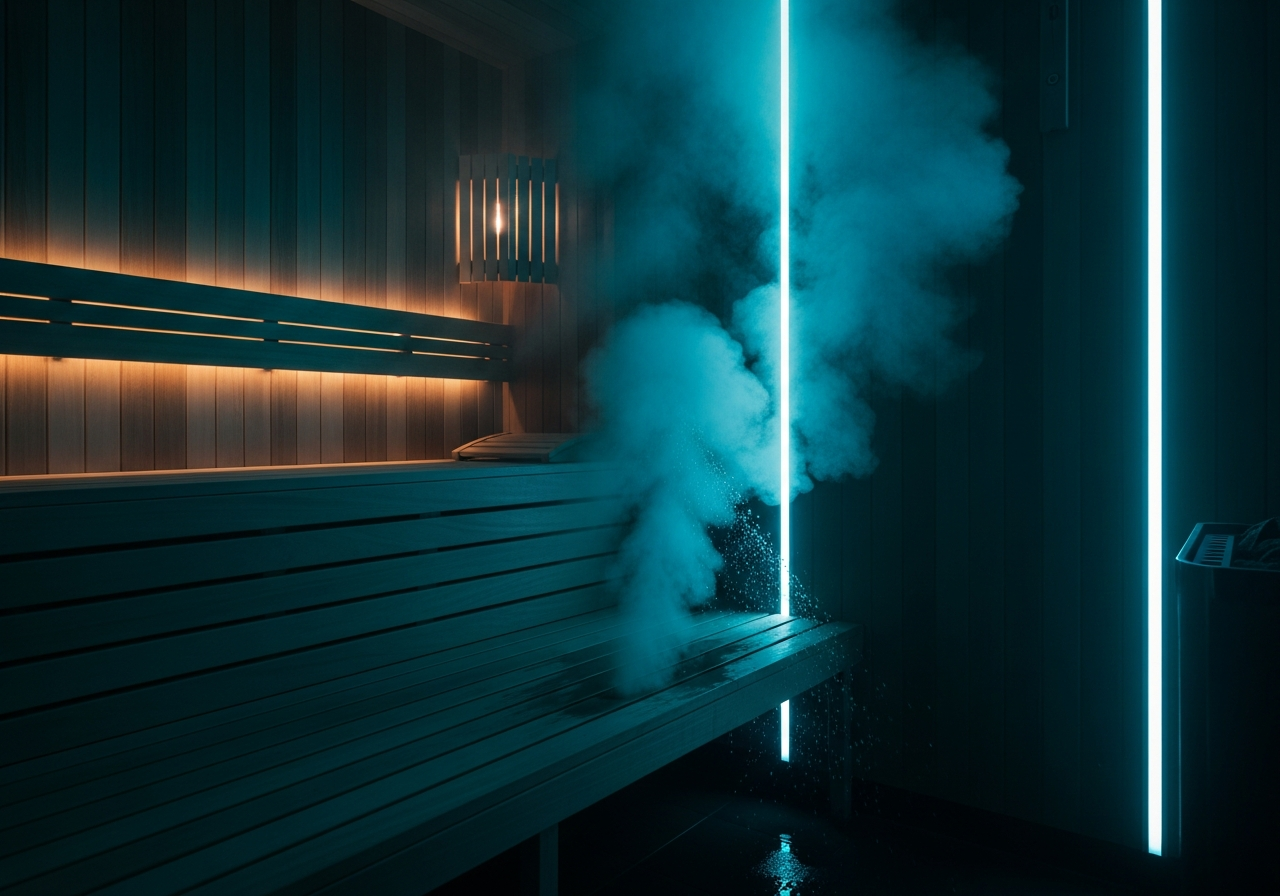
Contrast practices involve warm and cold environments, but there is no universal routine that suits every person. A sauna and a cold plunge also have different installation, cleaning, and operating requirements. This guide explains planning considerations rather than prescribing temperatures, timing, or a sequence.
Compare the ownership requirements
Before buying, review the manufacturer's intended setting, electrical requirements, water care, drainage, ventilation, cleaning access, and service arrangements. Consider delivery access and the space needed to enter and leave safely. A compact product still needs a suitable surrounding area.
Keep heat, water, and electricity separate
Use equipment only as instructed and have installation questions reviewed by the appropriate professional. Do not improvise electrical connections or alter a manufacturer's controls. Plan dry walking routes and keep exits accessible. If a product's care or maintenance requirements do not fit your schedule, reconsider the purchase before combining several devices.
Avoid treating discomfort as a target
More extreme exposure is not automatically better. Heat and cold can pose risks, and individual responses differ. A qualified healthcare professional can help assess whether either practice is appropriate for you. This page does not offer a medical protocol or recommend combining modalities during a single session.
For broader planning, read the cold plunge recovery article and recovery room guide. Treat equipment as optional additions to ordinary habits such as rest, hydration, and movement.
Frequently asked
What is contrast therapy?
Contrast therapy alternates between heat exposure (such as a sauna session) and cold exposure (such as a cold plunge or ice bath) as part of a recovery routine. The practice is one of the oldest recorded recovery methods and is used as a general wellness tool — not a medical treatment. Always consult a healthcare professional before starting, particularly if you have cardiovascular concerns.
What's the difference between a traditional sauna and an infrared sauna for contrast therapy?
Both work for contrast therapy. Traditional saunas heat the surrounding air to 150–195 °F (65–90 °C); infrared saunas use radiant panels to warm the body directly at lower air temperatures (120–150 °F / 49–65 °C). Infrared models are faster to heat up and generally easier to install at home, making them a common starting point for a home contrast setup.
What temperature should a cold plunge be for contrast therapy?
Most home cold plunge users start in the 50–59 °F (10–15 °C) range and work toward colder temperatures over time as their tolerance builds. Purpose-built cold plunge units with chillers typically reach 39–45 °F (4–7 °C). There is no universally correct temperature — start conservatively and consult a healthcare professional before beginning.
How do I set up a home contrast therapy station with a sauna and cold plunge?
The most practical home setups pair an infrared sauna (1–2 person, 120V or 240V plug-in) with a purpose-built cold plunge tank that has a built-in chiller. A typical session alternates 10–20 minutes of heat with 2–5 minutes of cold, repeated for 2–3 rounds. Our team can help you find a sauna and cold plunge combination that fits your space and budget — book a consult to get started.
Is contrast therapy — sauna and cold plunge — safe for home use?
Sauna and cold plunge units designed for consumer wellness use are generally considered safe for healthy adults when used as directed. People with cardiovascular conditions, those who are pregnant, and anyone taking medications that affect heat or cold tolerance should consult a healthcare professional before starting. Always follow each device's manufacturer guidelines.
Continue exploring
- Cold plunge recovery benefits
Read about evidence limitations, ownership considerations, and safety questions.
- Biohacking recovery room setup
Consider how space, access, maintenance, and optional equipment fit together.
The information and products offered by Metisine Health are intended to support general wellness and are not medical devices or medical advice. They are not intended to diagnose, treat, cure, or prevent any disease. Always consult a qualified healthcare professional before beginning any new wellness therapy, especially if you are pregnant, have a chronic condition, or use medical devices.